Acei/arb ) recommend that suspect and confirmed covid-19 patients on ace inhibition should be maintained on their therapy if it is otherwise indicated to avoid decompensation of cardiac disease. • there is no specific contraindication to nsaids: ahs sag use of nsaids review. there is current. Jun 5, 2015 storage. the misuse of drugs (safe custody) regulations (1973) state that all schedule 2 (eg, opiates) and some schedule 3 (eg . May 03, 2021 · acei/arb therapy not only reduces proteinuria (and albuminuria) but decreases the yearly number of diabetic patients going on to require dialysis. reduced hyper-filtration is consistent with the clinical observation. the introduction of acei/arb therapy is associated with an acute decrease in estimated glomerular filtration rate (egfr) and the. Inhibition of the renin-angiotensin-aldosterone system with angiotensin-converting enzyme (ace) inhibitors and angiotensin ii receptor blockers (arbs) is widely used in the treatment of heart failure, hypertension, chronic kidney disease, and coronary artery disease with left ventricular dysfunction.
Acei/arb prior to pregnancy, but if overt nephropathy exists, continue until detection of pregnancy • start: folic acid 1 mg per day x 3 months prior to conception insulin if target a1c is not achieved on metformin and/or glyburide (type 2) other antihypertensive agents safe for pregnancy (labetalol, nifedepine xl). Jan 11, 2021 · only guideline-recommended beta-blockers (i. e. carvedilol, metoprolol succinate, or bisoprolol) should be used in patients with hfref. among angiotensin antagonists, arnis are preferred agents. renal function and potassium should be checked within 1-2 weeks of initiation or dose up-titration of acei/arb/arni.
Dual therapy with an angiotensin-converting enzyme (ace) inhibitor plus an angiotensin receptor blocker (arb) has only a limited place in treatment, specifically in a small minority of people with heart failure. review and, if appropriate, revise prescribing of dual therapy medication storage guidelines uk to ensure it is in line with nice. Mar 15, 2020 · more than 70% of adults treated for primary hypertension will eventually require at least two antihypertensive agents, either initially as combination therapy or as add-on therapy if monotherapy. Additional guidance is provided on the storage of medicines, the handling of controlled drugs and the safe and secure handling of medicines in theatres. ‘safe and secure handling of medicines’ is produced in line with the gold standard of nice accreditation. issue date december 2018. review date december 2022.
Apr 1, 2020 with cardiovascular comorbidities qualify for angiotensin‐converting enzyme inhibitor (acei) or angiotensin ii receptor blocker (arb) therapy. Jun 19, 2019 · one linked therapy to a 38% lower risk. another reported that each year of therapy was associated with a 6% decline in the risk of dementia; in particular, men treated for 12 years or more enjoyed a 65% lower risk of alzheimer's disease than men with untreated hypertension.
May 7, 2020 after adjustment for confounders, history of ace inhibitor or arb use patients on long-term therapy with ace inhibitors or arbs are not at . medication storage guidelines uk Secure storage. you must store medicines securely. only authorised care home staff should have access. your processes and policies must also include how you make sure the keys are securely stored. temperatures and storage conditions. your policies and processes must address the temperatures for storing medicines. Apr 1, 2010 conclusions/significance. combination therapy with arbs and ace inhibitors reduces admissions for heart failure in patients with congestive .
Inhibition of the renin-angiotensin-aldosterone system with angiotensin-converting enzyme (ace) inhibitors and angiotensin ii receptor blockers (arbs) is widely used in the treatment of heart failure, hypertension, chronic kidney disease and coronary artery disease with left ventricular dysfunction. are ace inhibitors better than arbs?. Sep 7, 2020 drugs act and associated regulations, the health and safety at work act, the control of xerox (uk) ltd, taking delivery and secure storage. Angiotensin receptor blockers (also called arbs or angiotensin ii inhibitors) are medicines that dilate (widen) blood vessels, and are used in the treatment of conditions such as high blood pressure (hypertension), heart failure, or kidney disease in people with diabetes.
2020 Accaha Heart Failure Performance Measures Key Points
Mar 14, 2014 this guideline covers good practice for managing medicines in care homes. it aims to promote the safe and effective use of medicines in care . Apr 1, 2020 adults with compelling indications for acei/arb will not be enrolled. as alternative therapy medication storage guidelines uk will be at the discretion of the patient's treating .
Patients taking low dose or no acei/arb at randomization were initiated on entresto 49/51 mg if their sbp was ≥120 mm hg. patients were up-titrated as early as week 1 and again at weeks 2, 4, and 6 up to entresto 97/103 mg bid or enalapril 10 mg bid, as tolerated, based on their blood pressure. follow labeled dosing recommendations. Jan 13, 2021 · farxiga is available as a film-coated tablet for oral administration containing the equivalent of 5 mg dapagliflozin as dapagliflozin propanediol or the equivalent of 10 mg dapagliflozin as dapagliflozin propanediol, and the following inactive ingredients: microcrystalline cellulose, anhydrous lactose, crospovidone, silicon dioxide, and magnesium stearate. Contributes to the increasing evidence for a lack of benefit (or even harm) produced by dual acei–arb therapy. this suggests that incomplete blockade of ras . Evidence-based information on national guidelines on storage of drugs from hundreds medication storage guidelines uk of trustworthy sources for health and social care.
Hypertensive therapy aims to not only reduce bp levels but also takes into account the underlying cv disease (cvd) risk. in this medication storage guidelines uk regard, the latest guidelines acknowledge that first-line antihypertensive agents which prevent cvd include diuretics, angiotensin converting enzyme (ace) inhibitors, angiotensin receptor blockers (arbs), calcium channel blockers (ccbs) and beta-blockers. Safe storage of medicines medicines must be stored in a secure manner and in conditions that will not affect their potency; procedures must be in place to ensure compliance with the manufacturer’s storage recommendations and any legislation covering for example the storage of controlled drugs.
Dec 10, 2013 published in england regarding storage facilities for medicines, including controlled drugs, on hospital in-patient wards. the guidance relates .
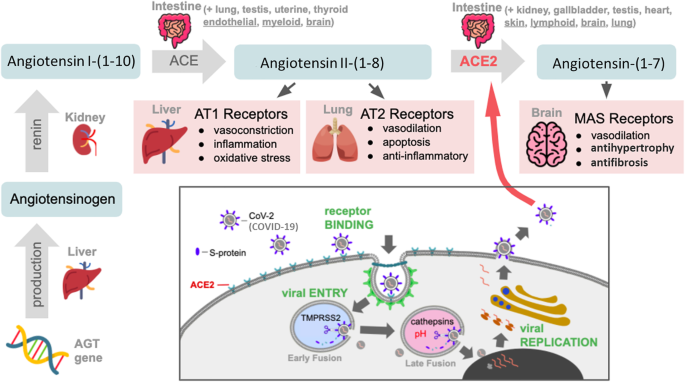


Empagliflozin And Progression Of Kidney Disease In Type 2
Storing medication note and act on any specific storage instruction e. g. store in the fridge. rotate stock so the earliest expiry is at the front and therefore going to be used first. check expiry dates of stock monthly. medication is to remain in the container in which it was received batches must not be mixed. An acei, arb, and ccb are all acceptable alternative agents. beta-blockers are no longer considered first-line therapy for hypertension, but these agents can be used in cases with compelling indications aside from hypertension, such as systolic heart failure. Prescribing ace/arb therapy angiotensin converting enzyme inhibitors (aces) should be prescribed to all patients with current or prior symptoms of hf due to lv systolic dysfunction with reduced lvef unless contraindicated or have shown intolerance to this drug treatment. Vets, pharmacists and anyone involved in prescribing, supplying, keeping records of, storing, disposing or destroying veterinary medicines that contain controlled drugs (cds) must comply with the.
quick reference guide.
Coronavirus disease 2019 (covid‐19): do angiotensin‐converting.


0 comments:
Posting Komentar